Let’s Get Blitzen: A Practical Design Asset for Real-World Creative Workflows
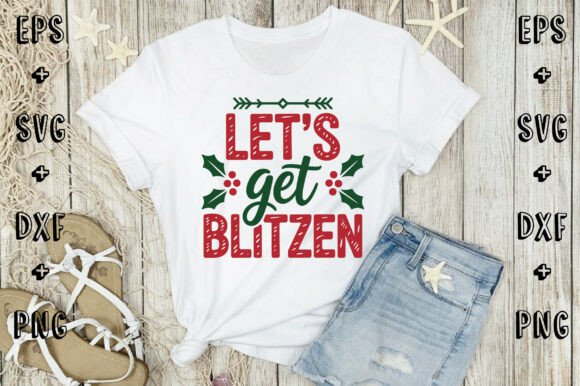
“Let’s Get Blitzen” isn’t just a playful holiday phrase—it’s a ready-to-deploy digital design asset built for action. Designed with precision and versatility in mind, this file pack delivers immediate utility across multiple creative and production contexts. Whether you’re prepping merchandise for a seasonal shop launch, prototyping classroom decor, or building branded swag for a client campaign, Let’s Get Blitzen gives you clean, production-ready files—no redesigning, no tracing, no guesswork.
What sets it apart is how seamlessly it integrates into existing tools and timelines. It doesn’t ask you to change your process; instead, it slots in where you already work—whether that’s early concept testing, mid-project iteration, or final-stage output preparation.
What You Receive—and Why Format Choice Matters
The package includes five core file types: SVG, PNG, DXF, EPS, and high-resolution print-cut versions. Each serves a distinct role in real-world execution:
- SVG: The go-to for Cricut Design Space, Silhouette Studio, and web-based editors. Preserves vector scalability and layer integrity—ideal when you need to resize without distortion or adjust individual elements (like swapping text or repositioning ornaments).
- PNG: Transparent-background raster files optimized for digital mockups, social media previews, or quick print-on-demand uploads where vector support isn’t required.
- DXF: Industry-standard for laser cutters, CNC machines, and professional sign shops. Ensures accurate path interpretation for precise physical cutting—especially useful if you’re outsourcing production or using industrial-grade equipment.
- EPS: A legacy-but-still-supported vector format compatible with Adobe Illustrator, CorelDRAW, and older RIP software. Valuable for print service providers who require EPS for large-format printing or vinyl plotting.
- Print-Cut Ready Files: Pre-aligned registration marks and bleed settings built-in. These are tested and tuned for reliable performance on Cricut Maker and Explore series machines—reducing trial-and-error during setup.
This multi-format approach isn’t about redundancy. It’s about reducing friction at each handoff point: from designer to maker, freelancer to printer, educator to school tech team. You choose the version that matches your toolset—not the other way around.
Where Let’s Get Blitzen Fits Into Your Workflow
Unlike decorative clipart that sits idle in a folder, Let’s Get Blitzen is built for movement through stages. Here’s how it functions across common use cases:
Before Launch: Testing & Planning
When validating a new product line—say, holiday-themed apparel—you can import the SVG into mockup generators or design suites to test layout, scale, and color contrast *before* ordering samples. This avoids costly missteps in fabric placement or ink coverage. Educators might drop the PNG into a lesson slide deck to preview visual impact with students—or use the DXF to simulate a classroom vinyl decal project with accurate sizing.
During Production: Consistency & Speed
Small business owners running Etsy shops or local craft fairs often juggle dozens of designs. Let’s Get Blitzen eliminates the need to recreate seasonal motifs from scratch each year. Store it in your asset library with clear naming (e.g., “Blitzen_SVG_Cricut_v2”) and apply consistent branding rules—font pairings, color palettes, sizing ratios—across all outputs. That consistency builds recognition, especially when reused across mugs, tote bags, and wall decals.
After Delivery: Adaptation & Reuse
A completed project rarely stays static. You might later adapt the design for a different audience—removing snowflakes for a year-round “Let’s Get Going” variant, or converting the EPS to layered AI files for a client presentation. Because the original assets are vector-based and well-structured, edits retain quality and clarity. No pixelation. No jagged edges. Just reliable flexibility.
Compatibility Considerations You’ll Actually Use
Not all files behave the same across platforms—even when formats match. Here’s what to watch for:
- Cricut users: Load the SVG directly into Design Space. Avoid opening and resaving it in another editor first—this can strip embedded cut settings or flatten layers. If using Print Then Cut, confirm your printer’s DPI settings align with the file’s embedded resolution (300 PPI is standard and included).
- Silhouette users: DXF imports cleanly for cut lines; SVG works best for full-color layered projects. Test alignment on your first run—some older firmware versions handle complex paths differently.
- Print service providers: Send EPS or PDF (converted from EPS) unless they specify otherwise. Include a brief note about intended use (e.g., “vinyl decal, 12″ wide, white background”) to prevent unnecessary color correction or scaling assumptions.
- Web or digital use: Use PNG only where transparency is needed. For responsive layouts, generate WebP versions via tools like Squoosh—smaller file size, same visual fidelity.
Practical Tips for Long-Term Usability
Design assets gain value over time—if they’re organized, documented, and maintained. Here’s how to keep Let’s Get Blitzen working for you beyond the holiday season:
- Name files consistently. Include date, version, and primary use case (e.g., “Blitzen_SVG_Cricut_2024_Q4”). Avoid generic names like “design1.svg”—they become unsearchable in six months.
- Store source and derivatives separately. Keep the original ZIP archive untouched. Save edited versions in a “Working” or “Client_Adapted” subfolder so you can always revert.
- Batch-test before scaling. Run one test cut on scrap material—even with trusted files—to verify registration mark detection and blade depth. A 5-minute check prevents wasted materials and machine recalibration.
- Document color values. Note HEX, CMYK, and Pantone references used in your version (if modified). This ensures brand continuity across teams or future reprints.
- Review licensing terms once per year. While personal and small commercial use is standard, changes in business structure (e.g., moving from freelance to LLC) may affect permitted usage. Keep a dated copy of the license agreement with your asset files.
Integration Beyond the File: Thinking in Systems
Let’s Get Blitzen works best when treated as one node in a broader system—not an isolated graphic. Pair it with:
- A standardized naming convention across all your design assets,
- A cloud-synced folder structure with version history enabled (e.g., Dropbox or Google Drive with version rollback),
- A checklist for production handoffs (e.g., “Confirm bleed, check registration marks, validate font embedding”),
- A shared style guide—even a simple Notion doc—with approved colors, spacing rules, and typography for seasonal assets.
This turns a single download into part of a repeatable, scalable workflow. It supports consistency without rigidity—giving you room to iterate while maintaining baseline quality and efficiency.
Final Thought: Utility Over Novelty
There’s no shortage of festive graphics online. What makes Let’s Get Blitzen valuable isn’t its theme—it’s its readiness. It assumes you have deadlines, limited bandwidth, and real constraints. It respects your time by delivering files that work *as intended*, not just *in theory*. Whether you’re printing 10 mugs for a staff gift or fulfilling 200 orders for an online store, the difference between frustration and flow often comes down to whether the asset was built for use—not just display.
That’s the quiet advantage: less setup, fewer compromises, and more time spent where it matters—creating, launching, teaching, selling, or simply getting things done.